Fiction and education, not advice. See our Disclaimer.
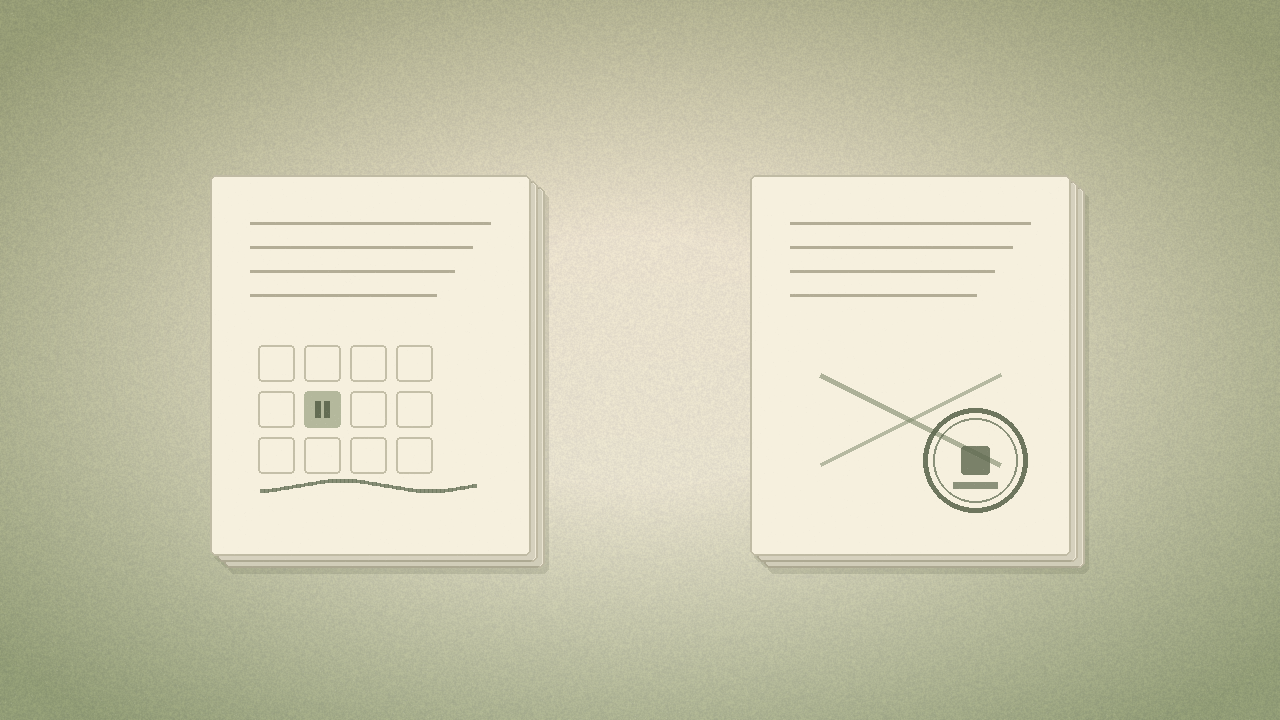
Forbearance is not forgiveness. That is the whole classroom. Forbearance is usually a temporary pause, reduction, or payment plan energy on a mortgage or other loan — the debt is still generally owed, and the terms live on the agreement. Forgiveness is usually debt actually cancelled or written off energy. Mixing the labels is how “they paused my payments so it’s gone” and “forgiveness just means a short break” both get scheduled on the wrong machine.
This post uses a light story beat with Chris Nguyen, our fictional mid-career cast member who already knows a loan can show up as more than one kind of paper. Forbearance vs forgiveness is that same split with temporary payment-plan energy on one side and cancelled-debt energy on the other. Characters are plot devices. They are not tips. This is not a reason to seek a pause, reject a pause, chase a write-off, or treat either label as a personality.
This is vocabulary. Results are not typical because the results are not real. See our Disclosures. Use your own plan docs, loan docs, and a licensed professional for anything that touches a payment plan, a balance, or a cancellation claim.
What forbearance usually means here
In the classroom shorthand, forbearance usually means a temporary pause, reduction, or rearranged payment plan on a mortgage or other loan — short-term payment relief energy, not a magic erase button. Exact length, what accrues, what is deferred, and what you still owe live on that forbearance agreement and the rules of that loan product. We are naming the label, not quoting your servicer’s form, not ranking hardship programs, and not calling any particular pause “the debt disappeared.”
Forbearance is a temporary payment-plan pile. It is not automatically forgiveness. It is not automatically “balance wiped.” It is not a synonym for “free months,” “the loan is over,” or “nothing comes due later.” We already have sibling classrooms on home equity vs cash, pre-approval vs a done deal, conditional approval vs clear to close, interest rate vs APR, and deed vs mortgage — paper piles that are not the same pile. Today’s point is narrower: pausing or reshaping payments for a while and cancelling debt are still two different piles.
What forgiveness usually means here
Forgiveness, in this classroom, usually means debt actually cancelled or written off — the owed pile shrinks or vanishes because a write-off / cancellation path says so, not because someone skipped a few payments. Exact amounts, tax or reporting wrinkles, and what papers prove the cancellation live on the discharge, forgiveness, or settlement documents for that loan. We are naming the label, not promising every hallway paraphrase of “they forgave it,” and not calling a temporary pause a write-off.
Forgiveness is a cancelled-debt pile. It is not automatically forbearance. It is not automatically “a short break on the calendar.” It is not a synonym for a deferred payment, a reduced payment month, or a hardship plan that still expects the balance later. You can be in forbearance without any forgiveness on the file — and you can have forgiveness energy without that path being the same thing as a temporary pause. Forbearance energy is about temporary payment treatment. Forgiveness energy is about debt actually cancelled.
Why mixing the labels bites
Saying “they paused my payments so it’s gone” smears temporary plan energy into a cancellation the papers may not show. Saying “forgiveness just means a short break” smears write-off energy into a calendar pause that may still leave the balance owed. Confused “when do I pay again,” “why did the balance grow,” and “I thought this was wiped” conversations all get scheduled on the wrong machine when the labels blur. Keep the piles apart, then read each plan agreement, loan statement, and any discharge or settlement document for what it actually says. Mixing labels is how a calm “I’m in forbearance” sentence turns into a scramble when somebody treated a pause as a write-off — or treated a write-off rumor as proof the calendar never mattered.
Chris’s fictional napkin (not a quote)
None of these figures are a real house, a real loan, a real forbearance, or a recommendation. They are arithmetic so the labels stay still. Chris is looking at one fictional mid-career loan sketch the way they look at “which paper names which pile”:
- Fictional remaining principal on this napkin: $268,000. Debt pile — still generally owed unless a separate cancellation paper says otherwise.
- Fictional regular monthly principal-and-interest sketch: $1,720. Payment pile — the ordinary ask before any temporary plan.
- Fictional forbearance sketch: three months at $0 payment on the calendar, with the agreement still naming the balance as owed. Forbearance pile — temporary pause energy; not automatic wipe.
- Fictional “paused so it’s gone” hallway line: cancellation energy dressed as a calendar break. Wrong machine until you read the forbearance agreement and the balance after the pause.
- Fictional forgiveness sketch on a different napkin corner: $12,000 written off on a separate cancellation path. Forgiveness pile — cancelled-debt energy; not the same as the three-month pause.
- Fictional “forgiveness just means a short break” reverse scramble: write-off energy dressed as a temporary plan. Still wrong machine if the papers only pause payments and leave principal intact.
- Fictional cash buffer still in checking: $6,800. Cash pile. Useful if a restart payment or fee question surprises you — still not either document label.
- Fictional automatic broad-index contribution on this napkin: $500/month. Comparison object on a calendar — not a loan product and not a substitute for reading the plan docs.
Change the principal, the pause length, or the buffer, and the napkin moves while the labels stay honest. We are not ranking servicers, hardship programs, or ZIP codes. We are keeping the piles apart.
The automatic broad-index / S&P 500 classroom stays nearby as a comparison object, not a product. A scheduled index contribution is cash leaving on purpose into a diversified pile on a calendar. A forbearance agreement is still a temporary payment-plan pile on a loan — and a forgiveness / write-off path is still a separate cancelled-debt pile. They can both matter without becoming the same thing. We are not telling you to buy funds, sell funds, seek forbearance, avoid forbearance, chase forgiveness, ignore a balance, or treat a pause as a finished cancellation story.
What this post is not
- Not advice on whether you should seek forbearance, exit forbearance, apply for forgiveness, settle a loan, buy, refinance, or wait.
- Not a claim about what your plan, loan, or cancellation papers must mean on a real file.
- Not a guide to hardship programs, loan mods, tax treatment of cancelled debt, or how to “get a balance wiped.”
- Not tax, insurance, or legal advice (those are other labels).
- Not a reason to treat “forbearance,” “deferment,” “forgiveness,” and “written off” as one magic umbrella phrase.
- Not a “should you buy a house” answer. We do not do those.
The one-line classroom
Forbearance is usually temporary payment pause, reduction, or plan energy — the debt is still generally owed under the agreement. Forgiveness is usually debt actually cancelled or written off. Keep the labels separate so “they paused it” stays honest.
Entertainment and education only. Not financial, tax, legal, insurance, or real-estate advice. Fictional characters and numbers. Results are not typical because the results are not real. Read the Disclaimer and Disclosures. For anything that touches your plan docs, loan docs, payment schedule, or a cancellation claim, use the actual documents and a licensed professional.
Leave a Reply